Đề cương ôn tập Giữa kì 2 Tiếng Anh 6 Global Success (có lời giải)
Bộ đề cương ôn tập Giữa kì 2 Tiếng Anh 6 Global Success với bài tập trắc nghiệm, tự luận đa dạng có lời giải chi tiết giúp học sinh nắm vững được kiến thức cần ôn tập để đạt điểm cao trong bài thi Tiếng Anh 6 Giữa kì 2.
Đề cương ôn tập Giữa kì 2 Tiếng Anh 6 Global Success (có lời giải)
Chỉ từ 80k mua trọn bộ đề cương ôn tập Tiếng Anh 6 Giữa kì 2 Global Success theo cấu trúc mới bản word có lời giải chi tiết, trình bày đẹp mắt, dễ dàng chỉnh sửa:
- B1: gửi phí vào tk:
1133836868- CT TNHH DAU TU VA DV GD VIETJACK - Ngân hàng MB (QR) - B2: Nhắn tin tới Zalo VietJack Official - nhấn vào đây để thông báo và nhận đề thi
Đề thi Tiếng Anh lớp 6 Giữa kì 2 Global Success (Giáo viên VietJack)
UNIT 7. TELEVISION
Conjunction (Liên từ): Liên từ dùng để kết hợp các từ, cụm từ, mệnh đề hoặc câu với nhau.
I. CONJUNCTIONS
- Các liên từ cơ bản
|
Liên từ |
Nghĩa |
Cách sử dụng & Ví dụ |
|
1. Liên từ đẳng lập |
|
|
|
and |
và |
Dùng để bổ sung thêm thông tin trong câu hoặc cho mệnh đề đứng trước nó. Khi nối 2 mệnh đề ta dùng dấu phẩy trước and Eg: I like watching news and game show. |
|
or |
hoặc |
Được dùng khi có sự lựa chọn. Or không đứng đầu câuchỉ đứng giữa câu nối 2 mệnh đề và có dấu phẩy Eg: Hurry up, or you will be late. |
|
but |
nhưng |
Dùng để nối 2 mệnh đề mang nghĩa trái ngược, đối lập nhau. But không đứng đầu câu chỉ đứng giữa câu nối 2 mệnh đề và có thể có dấu phẩy đứng trước. Eg: My father likes horror films but my mother doesn't like them |
|
so |
Nên, vì vậy |
Dùng để nói về một kết quả của sự việc được nhắc đến trước đó, so chỉ đứng giũa câu và trước “so” ta dung dấu phẩy Eg: I'm listening to music, so I can't hear what you are saying. |
|
2. Liên từ phụ thuộc |
|
|
|
because |
bởi vì |
Dùng để nói về lí do của một sự việc được nhắc tới trước hoặc sau nó. |
|
although / though |
mặc dù |
Dùng để nối 2 mệnh đề mà mệnh đề chính mang kết quả tương phản với mệnh đề phụ,. Eg: Although he likes football, he doesn't often watch football programmes. |
Lưu ý:
Although và but không thể đi cùng nhau trong một câu tiếng Anh. Do vậy nếu đã dùng although thì không dùng but và ngược lại.
Tương tự trên, trong một câu nếu dùng so thì không dùng because và ngược lại.
2. Câu hỏi với từ để hỏi - Wh question
Các câu hỏi có từ để hỏi cho phép người nói tìm thêm thông tin về chủ thể để mà mình quan tâm. Các từ để hỏi theo thông tin muốn tìm có thể được liệt kê như sau:
|
When? |
Hỏi thông tin về thời gian (Khi nào?) When were you born? |
|
What time |
Hỏi thông tin về giờ cụ thể (Mấy giờ?) câu trả lời thường gạch chân at + giờ |
|
Where? |
Hỏi thông tin về nơi chốn (Nơi nào?) Where are you from? |
|
Who? |
Hỏi thông tin về người (Ai?) Who is your English teacher? |
|
Why? |
Hỏi lí do (Tại sao?) câu trả lời gạch chân Because Why do you study English? |
|
How? |
Hỏi cách thức, phương thức (Như thế nào?) How did you make the cake? Hỏi phương tiên giao thông: Câu trả lời gạch chân by + phương tiện giao thông |
|
What? |
Hỏi về vật/ý kiến/hành động (Cái gì?) What are you doing? |
|
Which (one)? |
Hỏi thông tin về sự lựa chọn (Cái nào) Which soup do you like for lunch, chicken soup or crab one? |
|
Whose? |
Hỏi thông tin về sở hữu của ai. Câu trả lời thường gạch chân vào tính từ sở hữu Whose keys are they?Những cái chìa khóa này của ai? |
|
How much? |
Hỏi giá cả (gạch chân vào giá tiền), số lượng (không đếm được) (gạch chân vào các từ định lượng) - How much is it? Cái này giá bao nhiêu? - How much sugar do you like? Bạn muốn bao nhiêu đường? |
|
How many? |
Hỏi về lượng (đếm được) (thường gach chân vào các số đếm: one/ two/ three) A: How many books do you have?Bạn có bao nhiêu cuốn sách? B: I have about one hundred books. Tôi có khoảng 100 cuốn sách. |
|
How long? |
Hỏi về khoảng thời gian (Bao lâu) A: How long do you walk from your house to school? B: Around 15 minutes. |
|
How often? |
Hỏi về mức độ thường xuyên A: How often do you study in English? B: Three times a week, on Monday, Wednesday and Friday. |
|
How far? |
Hỏi về khoảng cách (Bao xa?) (gạch chân từ chỉ khoảng cách/ số đếm kilometers (kms)/ meters A: How far is it from your house to school? B: One kilometer. Một cây số. |
UNIT 8. SPORTS AND GAMES
1. Thì quá khứ đơn (The past simple)
a) Cách thành lập
1-Với động từ “to be ”
|
The |
Cách thành lập |
Ví dụ |
|
Khẳng định |
I/ he/ she/ It/ Nít + was + |
She was at home last night. |
|
We/ you/ they/ Nnh + were + ... |
They were at home last night. |
|
|
Phủ định |
S1 + was not (wasn’t) + ... |
She wasn’t at home last night. |
|
S2 + were not (weren’t) +... |
They weren’t at home last night. |
|
|
Nghi vấn |
was + S1 +... |
Was she at home last night? |
|
were + S2 + ... |
Were they at home last night? |
2-Với động từ thường
|
Thể |
Cách thành lập |
Ví dụ |
|
Khẳng định |
S +V-ed/V2 +... |
I went shopping last week. He played football last Friday. |
|
Phủ định |
S + did not (didn’t) + V (nguyên thể) +... |
I didn’t go shopping last week. |
|
He didn’t play football last Friday. |
||
|
Nghi vấn |
Did + s + V (nguyên thể) +... Hoặc Từ hỏi + did+ S + V ....? |
Did you go shopping last week? |
|
Did he play football last Friday? |
2. Câu mệnh lệnh (hay yêu cầu)
a) Câu khẳng định: Câu mệnh lệnh là câu bắt đầu bằng một động từ nguyên mẫu không có “to”.
V + ...............................
b) Câu phủ định
Ở thể phủ định có nghĩa là đừng làm điều gì đó phụ thuộc vào động từ mà người ta sử dụng
DON’T + V ..........................
|
Ex: - Don’t go. |
Đừng đi. |
Luu ý: Thông thường để câu mệnh lệnh mang tính lịch sự hơn, người ta thêm “please” (xin vui lòng) vào trước hoặc sau câu mệnh lệnh đó.
|
Ex: - Please come in! |
Xin mời vào. |
|
- Come in, please! |
Xin mời vào |
3. GO, PLAY, DO + DANH TỪ/ DANH ĐỘNG TỪ (GO, PLAY, DO + N/ V-ING)
a. play
|
• các môn thể thao đồng đội • có sử dụng bóng (ball) hoặc các thiết bị khác |
Ví dụ: • play football/ play chess/ play tennis • play computer games (chơi trò chơi máy tính) |
b. do
|
• các hoạt động mang tính tiêu khiển • các môn thể thao cá nhân, không đồng đội • các môn thể thao không sử dụng bóng |
Ví dụ: * do puzzle/ homework// housework (giải câu đố) * do exercise (tập thể dục) * do aerobics/ do judo/ do yoga / do karate |
c. go
|
các động từ tận cùng là -ing để diễn tả các hoạt động giải trí, thư giãn |
• go jogging/ go cycling/ go skiing/ go swimming • go skateboarding (đi trượt ván) |
UNIT 9. CITIES OF THE WORLD
TÍNH TỪ SỞ HỮU VÀ ĐẠI TỪ SỞ HỮU
1. Sự khác biệt giữ đại từ sở hữu và tính từ sở hữu.
|
Tính từ sở hữu |
Đại từ sở hữu |
|
|
Định nghĩa |
Tính từ sở hữu (possessive adjective) là từ để chỉ sự sở hữu và đứng trước danh từ. |
Đại từ sở hữu (possessive pronouns) dùng để thay thế hẳn cho tính từ sở hữu và danht từ. Đại từ sở hữu vừa có thể đứng ở vị trí chủ ngữ, vừa có thể là tân ngữ trong câu. |
|
Ví dụ |
This is my book → Trong câu sử dụng tính từ sở hữu “my” và danh từ “book” |
That is mine. →Trong câu sử dụng đại từ sở hữu “mine” để thay thế cho “my book” vì người nói không muốn lặp lại từ. |
2. Bảng liệt kê đại từ nhân xưng chủ ngữ, tính từ sở hữu và đại từ sở hữu
|
Đại từ nhân xưng chủ ngữ |
Tính từ sở hữu |
Đại từ sở hữu |
Nghĩa |
|
I |
my |
mine |
của tôi |
|
You |
your |
yours |
của bạn/các bạn |
|
We |
our |
ours |
của chúng tôi |
|
They |
their |
theirs |
của họ |
|
He |
his |
his |
của anh ấy |
|
She |
her |
hers |
của cô ấy |
|
It |
its |
its |
của nó |
B. Practice
I. Circle the word whose underlined part is pronounced differently from the others:
1.
A. worked
B. rained
C. stopped
D. watched
2.
A. those
B. thank
C. throw
D. thing
3.
A. Saturday
B. racket
C. character
D. game
4.
A. earth
B. father
C. both
D. thank
5.
A. contest
B. chess
C. volleyball
D. best
II. Choose the correct answer (A, B, C or D) to complete the sentences:
1. This camera belongs to my aunt. This camera is _____________.
A. hers
B. mine
C. his
D. ours
2. Where did you go last night? - __________.
A. I watch TV with my father
B. I go to the movies
C. I listen to music
D. I went to the movies
3. Lan likes watching game shows, _________ she doesn’t like watching news programmes.
A. but
B. so
C. or
D. and
4. My sister is doing aerobics with __________ friends at the moment.
A. her
B. his
C. my
D. their
5. I’d like to watch motor racing because it is very __________.
A. bored
B. exciting
C. excited
D. boring
III. Choose the correct answer (A, B, C or D) to complete the sentences:
1. “_____ play computer games too much”. – “I see”
A. Not
B. Do
C. Don’t
D. Did
2. “ _____ do you do judo?" - "Twice a week.".
A. How long
B. Where
B. Why
D. How often
3. “I’ve got an excellent mark.” – “_____________”
A. Thank you.
B. Congratulations!
C. Yes, I’d love to.
D. No let’s not.
4. I love ________. Tom and Jerry are my favourite characters.
A. comedies
B. cartoons
C. documentaries
D. romances
5. It’s raining heavily outside, so you ____________ bring your raincoat.
A. can
B. should
C. shouldn’t
D. must
IV. Choose the word or phrase that is CLOSEST in meaning to the underlined part in each of the following sentences.
1. The content of the movie I watched last night is really thrilling.
A. topic
B. theme
C. script
D. plot
2. Hello Fatty! is a cartoon series about a clever fox and his clumsy human friend.
A. smart
B. skilful
C. careful
D. foxy
3. Playing sports regularly can bring many health benefits.
A. frequently
B. rarely
C. sometimes
D. randomly
4. What happened at the football match yesterday?
A. played
B. occurred
C. mattered
D. came
5. I love looking at tall buildings at night with their colourful lights.
A. sky trains
B. skyscrapers
C. skylines
D. sky zones
V. Choose the word or phrase that is OPPOSITE in meaning to the underlined part in each of the following sentences.
1. Thank God, you’re here is a very entertaining comedy programme based on an Australian TV show.
A. interesting
B. unhappy
C. sad
D. boring
2. Can you please turn up the volume? I can't hear anything.
A. turn on
B. turn off
C. turn down
D. turn into
3. My brother wants to become a professional swimmer, so he practices swimming every day.
A. lazy
B. poor
C. bad
D. amateurish
4. Linh often wastes money in buying clothes that she just wears a few times.
A. spends
B. pays
C. saves
D. makes
5. Lan enjoys living in the country side because it is very quiet.
A. silent
B. noisy
C. loud
D. peaceful
VI. Choose the best option A, B, or C to indicate the most suitable response to complete each of the following exchanges.
Television
1. Lan: "What’s your favorite TV program?" Minh: "________"
A. I don’t watch TV at all.
B. I love ‘The Voice Kids’. It’s really exciting!
C. I have a new TV at home.
D. I usually do my homework in the evening.
2. Nam: "Why do you like watching documentaries?" Hoa: "________"
A. Because they help me learn new things.
B. No, I don’t like them.
C. I usually watch TV in the evening.
D. I prefer action movies.
Sports and Games
3. Coach: "You played very well in today’s match!" Player: "________"
A. Thank you! I will try my best.
B. I don’t like playing football.
C. Sorry, I can’t play.
D. I think I lost the match.
4. Mai: "Who won the badminton competition yesterday?" Tuan: "________"
A. It was great fun.
B. I think Linh did. She played really well!
C. I don’t have a badminton racket.
D. I didn’t watch the match.
Natural Wonders of Vietnam
5. Tourist: "Wow! Ha Long Bay is so beautiful!" Guide: "________"
A. Yes, it’s one of the most famous natural wonders of Vietnam.
B. No, I haven’t been there.
C. Let’s go shopping instead.
D. I don’t like traveling.
VII. Reading 1: Gap filling
VTV1 is a national television (1) _____ in Viet Nam. It attracts millions of viewers because it offers many different interesting programs. The 7 o'clock news tells people what is happening in Viet Nam and the rest (2) ________ the world. Comedies bring a lot of laughter and help people relax after a hard working day. The most exciting programs are game shows. (3) _________can be both entertaining and educational. Many people (4) ________ hard every day to produce quality programs for television. Some of them (5) _______ program designers, writers and reporters.
1.
A. channel
B. event
C. program
D. sport
2.
A. at
B. on
C. of
D. with
3.
A. Theirs
B. Their
C. Them
D. They
4.
A. have
B. work
C. make
D. do
5.
A. is
B. was
C. are
D. were
VIII. Reading 2: Comprehension
Read the passage and choose the correct answer A, B, C or D to answer the questions
Michael Jordan was born on February 17, 1963 in Brooklyn, New York. He is considered one of the best basketball players ever. He played for the Chicago Bulls and led the team to six National Basketball Association championships, and won the NBA's Most Valuable Player Award five times.
Jordan started studying at the University of North Carolina (UNC) in 1981. He soon became an important member of the school's basketball team. In 1982, with Jordan scoring the final basket, the team defeated Georgetown University and became the champion. He was the College Player of the Year in 1983 and in 1984.
In 1984, Jordan became a member of the U.S. Olympic basketball team. The team won the gold medal that year.
1. is Michael Jordan from?
A. France
B. The USA
C. England
D. London
2. Did Michael Jordan play for Chicago Bulls team?
A. Yes, he did
B. No, he didn’t.
C. No information
D. Yes, he does.
3. What does the word “started” in line 5 mean?
A. played
B. finished
C. began
D. studies
4. When did the U.S. Olympic basketball team win the gold medal?
A. in 1963
B. in 1983
C. in 1984
D. In 1982
5. What is the best title of this passage?
A. Michael Jordan and his family
B. Michael Jordan: the best basketball player
C. Basketball teams
D. Michael Jordan’s life style
IX. Reading 3: Signs and Notices
1. What does this sign say?
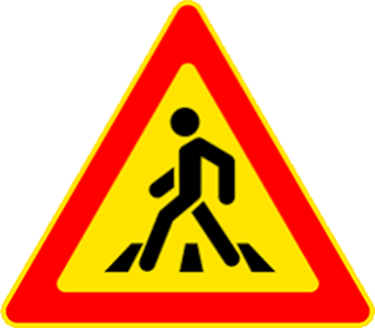
A. School ahead.
B. Road works ahead.
C. Pedestrian crossing ahead.
D. Traffic light ahead.
2. Correct information from the announcement?
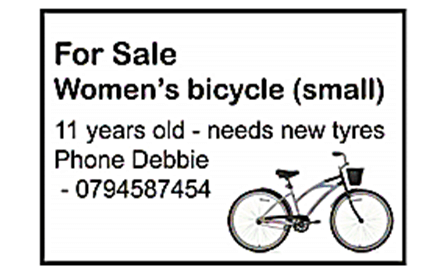
A. The bicycle that's for sale was built for a child.
B. Some parts of the bicycle must be changed.
C. Debbie is selling the bike because she's too big for it now.
D. The bike needs to be sold because the tyres are bad.
3. What does this sign say?

A. You can have some drinks and food here.
B. Your breakfast is done.
C. No one helps you take food and drinks.
D. You can't drink and eat here.
4. What does this sign mean?
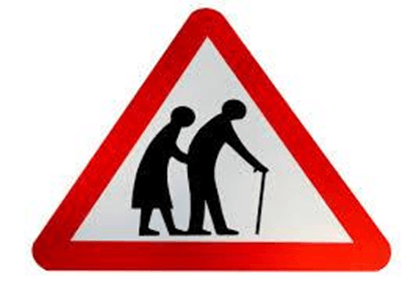
A. Be cautious as elderly people may be crossing the road.
B. There are two old people here.
C. Be careless as elderly people may be crossing the road.
D. They are wearing traditional clothing.
5. What does this sign mean?

A. Trespassing is allowed.
B. Only specific times allow trespassing.
C. Going in without permission is not allowed.
D. Trespassing is encouraged here.
X. Choose the underlined part (A, B, C or D) that needs correcting:
1. How many homework do you have to do today?
A. How many
B. do
C. to do
D. today
2. Sometimes they listen to music, so sometimes they read books.
A. they
B. to music
C. so
D. books
3. Her son can speak English well, and he can’t write any English words.
A. speak
B. and
C. he
D. works
4. What time does Jane watch her favourite film? On Fridays.
A. What time
B. does
C. her
D. On
5. Open and looking at your books, please?
A. open
B. and
C. looking
D. at
................................
................................
................................
Phòng Giáo dục và Đào tạo ...
Đề thi Giữa kì 2 Tiếng Anh 6
Bộ sách: Global Success
năm 2026
Thời gian: .... phút
I. LISTENING
TASK 1. Listen to the conversation between Jack and Sam, his friend. Circle the best answer A, B or C. You will listen TWICE.
1. What is Jack doing?
A. He’s channel-surfing.
B. He’s searching for a sports channel.
C. He’s playing sports.
2. What does Sam suggest?
A. She suggests that Jack should stop watching TV.
B. She suggests that Jack should check the TV guide.
C. She suggests that Jack should change to another channel.
3. Which channel is the tennis tournament actually on?
A. Channel 15
B. Channel 53
C. Channel 23
4. Which programme does Jack like?
A. Sport programmes
B. Live events
C. Cartoons
5. What does Sam want to do?
A. To make animated films
B. To play baseball
C. To learn something about talented people
TASK 2. Listen and complete the student’s note. Write ONE WORD OR NUMBER in each blank. You will listen TWICE.
Student’s note
TALENT SHOW RULES
● Competitors: (1) ___________
● Talent: dancing, singing, (2) ___________ a musical instrument
● Length: (3) ___________ – 6 minutes
● Judges: (4) ___________
● Last day of registration: (5) ___________
II. READING
TASK 1. Read the passage. Circle the best answer A, B or C to each of the questions.
Paris is home to hundreds of museums, including the largest museum in the world, the Louvre. Located on the bank of the Seine, the Louvre Museum covers an area of more than 70,000 square meters. It’s as big as 280 tennis courts. The museum is one of the most recognisable landmarks of Paris. Each year, millions of people visit the museum. The museum is one of the reasons that Paris is among the top-visited cities in the world. Following a record number of visitors in 2019, the museum decided to limit the number of guests to avoid overcrowding. According to the museum director, he didn’t want more visitors but the museum aimed to provide a better experience for all.
1. What is the passage mainly about?
A. The city of Paris
B. Museums in Paris
C. The Louvre Museum
2. Where is the museum located?
A. On a river bank
B. On the Seine river
C. Next to a tennis court
3. Which of the following statement is true?
A. There are hundreds of museums in Paris.
B. There are 280 tennis courts in Paris.
C. There are millions of visitors in Paris.
4. According to the passage, why is Paris one of the most visited cities in the world?
A. Because of its hundreds of museums.
B. Because of the Louvre’s annual visitors.
C. Because of Paris’s beauty.
5. Why did the museum limit the number of visitors?
A. Because the museum needed to break the record.
B. Because the museum wanted guests to have a better experience.
C. Because the director dislikes crowded places.
TASK 2. Complete the reading passage. Write ONE suitable word in each blank.
Dear Dad,
Greetings from Perth.
I’m currently writing this postcard while having a picnic on the river bank. My friend and I just got (1) ___________ the boat we rented and we had a lovely time riding it along the river. The scenery was lovely so I took a lot of pictures. I can’t wait to show you them when I get (2) ___________.
Yesterday, we went to the beach. I took part in a little volleyball competition. It wasn’t my friend’s first time playing but it was (3) ___________. Fortunately, the locals (4) ___________ very helpful and taught me how to play. In the end, we (5) ___________ win any prizes but I had a ton of fun.
I love Perth but I also miss you and Mom.
See you soon,
Kate
III. WRITING
TASK 1. For each question, complete the second sentence so that it means the same as the first. Use the word in brackets and do not change it. Write NO MORE THAN THREE WORDS.
0. Duy takes the bus to school every day. (BUS)
Duy goes to _______________ every day.
Answer: school by bus
1. What is the cost of your new sports shoes? (ARE)
How ____________________ new sports shoes?
2. The five-star hotel is so expensive! (AN)
What ____________________ hotel!
3. Ride your bike carefully, Tom! (CYCLE)
Don’t ____________________,Tom!
4. Jeremy joined the city golf club two years ago. (BECAME)
Jeremy ____________________ of the city golf club two years ago.
5. These are our postcards. (OURS)
These ____________________.
TASK 2. Write about the city that you would like to visit in the future (about 60 words). You can use the following questions as cues:
- What is the name of the city? Where is it?
- What is the weather like in the city?
- What is this city famous for?
- Why do you want to visit the city?
IV. LANGUAGE FOCUS
TASK 1. Choose the word with a different way of pronunciation in the underlined part. Circle A, B, or C.
1.
A. talent
B. racket
C. palace
2.
A. equipment
B. tournament
C. comedy
3.
A. pagoda
B. marathon
C. aerobics
4.
A. then
B. third
C. these
TASK 2. Choose the best option to complete each sentence. Circle A, B, or C.
1. Josh needs to ___________ up his room immediately. His room is in a mess now.
A. tidy
B. make
C. rent
2. Before diving in the sea, you must wear a pair of ___________ to protect your eyes.
A. roller-skates
B. goggles
C. paddles
3. The curry dish was so ___________ that I couldn’t help eating it.
A. sunny
B. friendly
C. tasty
4. The journey to knowledge is a(n) ___________ programme that Kevin usually watches in his free time.
A. educational
B. sporty
C. delicious
5. I like sitting on the nearby beach at sunrise. It’s so ___________ because there are few people there at that time.
A. crowded
B. helpful
C. peaceful
TASK 3. Fill each blank with the present simple, present continuous or past simple form of the verb in brackets.
1. Peter’s father laughed a lot when he ___________ (see) a slapstick comedy last night.
2. My sister ___________ (watch) The Way to Olympia Peak in the living room. Don’t bother her now.
3. Girl: When ___________ he last ___________ (win) a chess competition?
Boy: Two months ago.
4. Dorothy ___________ (wear) a beautiful green dress in the party a few days ago.
5. Do you know the girl over there? She ___________ (play) table tennis very well.
6. Lan ___________ (visit) a night market in Bangkok yesterday.
7. Oliver ___________ (not go) to the Judo club on weekdays.
8. My father ___________ (buy) a white boat when he was at the age of 30.
9. ___________ you ___________ (have) a strong black coffee now? I can smell it from your cup.
10. Linda ___________ (eat) some curry during her last visit to Thailand.
................................
................................
................................
Xem thêm đề cương ôn tập Tiếng Anh 6 Global Success hay khác:
TÀI LIỆU CLC DÀNH CHO GIÁO VIÊN VÀ PHỤ HUYNH LỚP 6
Bộ giáo án, bài giảng powerpoint, đề thi file word có đáp án 2026 tại https://tailieugiaovien.com.vn/
Hỗ trợ zalo: VietJack Official
Tổng đài hỗ trợ đăng ký: 084 283 45 85
 Giáo án Word 6
95 tài liệu
Giáo án Word 6
95 tài liệu
 Đề thi giữa kì, cuối kì 6
254 tài liệu
Đề thi giữa kì, cuối kì 6
254 tài liệu
 Chuyên đề dạy thêm Toán, Lí, Hóa... 6
71 tài liệu
Chuyên đề dạy thêm Toán, Lí, Hóa... 6
71 tài liệu
 Đề thi HSG 6
8 tài liệu
Đề thi HSG 6
8 tài liệu
 Trắc nghiệm đúng sai 6
41 tài liệu
Trắc nghiệm đúng sai 6
41 tài liệu
 Bài giảng Powerpoint 6
42 tài liệu
Bài giảng Powerpoint 6
42 tài liệu
Công cụ giáo viên (2048.VN)
Tạo- trộn đề thi miễn phí từ file PDF, Word, Giao bài nhanh chóng, Hoàn toàn Free
- Giáo án lớp 6 (các môn học)
- Giáo án điện tử lớp 6 (các môn học)
- Giáo án Ngữ văn 6
- Giáo án Toán 6
- Giáo án Tiếng Anh 6
- Giáo án Khoa học tự nhiên 6
- Giáo án Lịch Sử 6
- Giáo án Địa Lí 6
- Giáo án GDCD 6
- Giáo án Tin học 6
- Giáo án Công nghệ 6
- Giáo án HĐTN 6
- Giáo án Âm nhạc 6
- Giáo án Vật Lí 6
- Giáo án Sinh học 6
- Đề thi lớp 6 (các môn học)
- Đề thi Toán 6 (có đáp án)
- Đề cương ôn tập Toán lớp 6
- Chuyên đề dạy thêm Toán 6 năm 2024 (có lời giải)
- Đề thi Ngữ Văn 6 (có đáp án)
- Chuyên đề Tiếng Việt lớp 6
- Bộ Đề thi Tiếng Anh 6 (có đáp án)
- Bộ Đề thi Khoa học tự nhiên 6 (có đáp án)
- Đề thi Lịch Sử & Địa Lí 6 (có đáp án)
- Đề thi Địa Lí 6 (có đáp án)
- Đề thi Lịch Sử 6 (có đáp án)
- Đề thi GDCD 6 (có đáp án)
- Đề thi Tin học 6 (có đáp án)
- Đề thi Công nghệ 6 (có đáp án)
- Đề thi Toán Kangaroo cấp độ 3 (Lớp 5, 6)